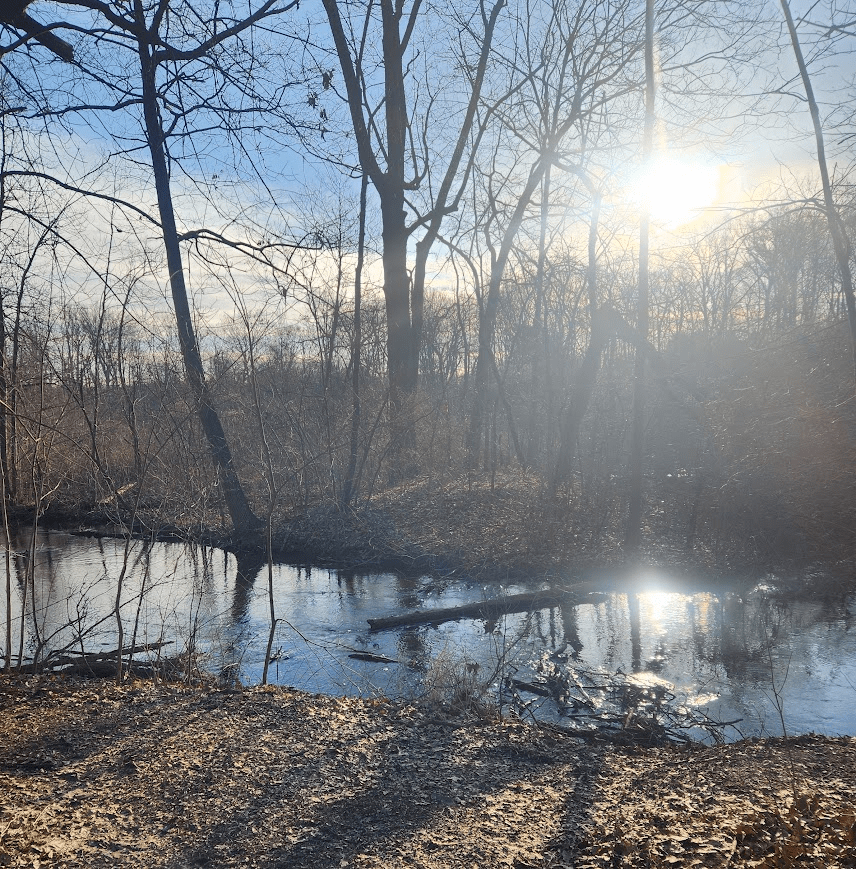
I love winter (it is probably my favourite season), but I have to admit that there is something magical about an early morning walk on a spring day.
The morning was cool to start but the sun warmed things up as I walked. The ground was a fun mix of icy crust on top of mud with the occasional puddle to jump over. (This sounds like I’m complaining, but I really did enjoy it.)
I love the bits of green that are poking up through the mud. I know it’s just a short time until the trees regain their leaves and the rest of the flowers bloom.
The spring birds are returning too, filling the air with their song.
It is hard to go for a walk on a spring morning and not feel like writing poetry. Every description you can give sounds like you’re describing the setting for a romance novel.
My parents did everything they could to instill us with a love of books. Our house was full of books. Even though we got rid of nearly a third of them over the last few years there are still hundreds of books left. My mother read to us every day, and still happily reads to us sometimes even though we are nearly all adults. We went to the library every week, and spent every day in a house full of books.
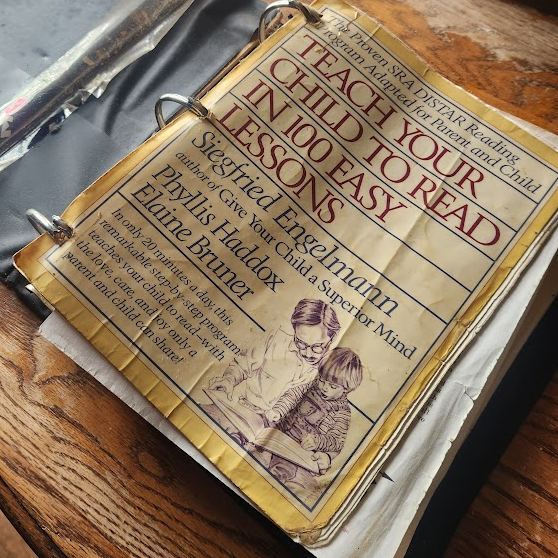
We were all taught to read when we were ready and wanted to, which for me was when I was four years old, from the book “Teach Your Child to Read in 100 Easy Lessons” by Siegfried Engelmann.
The book in question after 40 years and at least ten children.
If you are looking for a starter curriculum to use, I can vouch for the efficacy of this book. Since it was, in a way, the first book I ever read, I am very fond of it myself.
We had a chart and stickers, every day after we finished our lesson we got to put a sticker on the chart. (This may have contributed to my continued love for stickers as well.)
After we finished all 100 lessons, we got to go to the bookstore and choose our very first book that would be all our own.
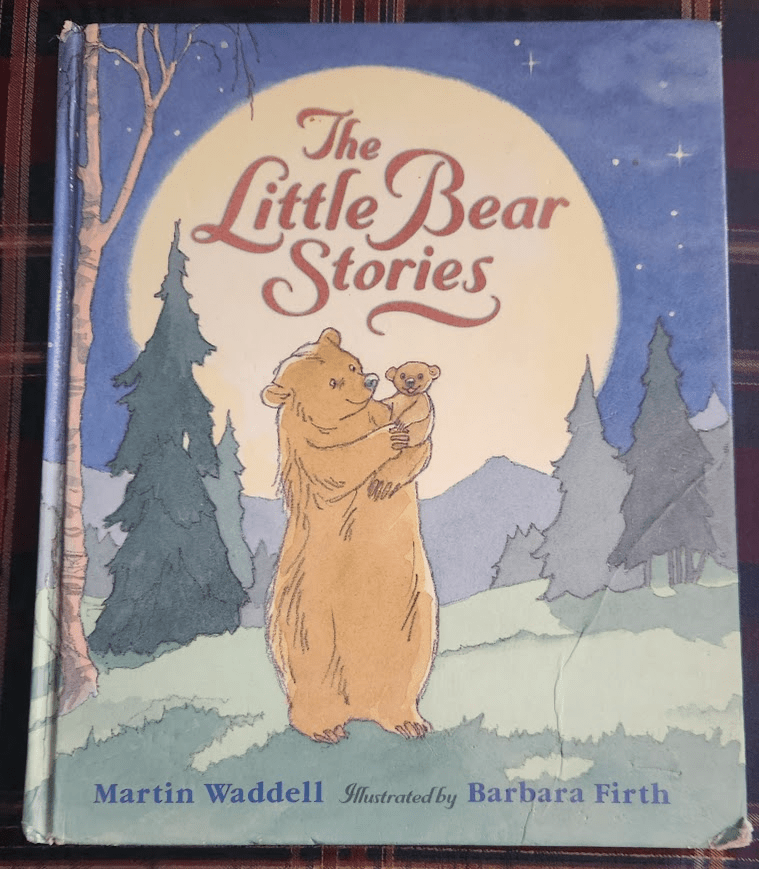
I chose “The Little Bear Stories” by Martin Waddell with illustrations by Barbara Firth.
I still have it now, after 24 years, and I still read it. I still remember going to the bookstore with my mother and choosing it. The bookshelves were white and there was a big glass window in the front of the store that the sun was shining through.
I also chose a new board book for my baby sister. “Bean” was well loved by a few infants and toddlers, so it has since fallen apart, but I can still recite it from memory.
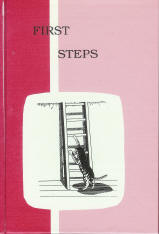
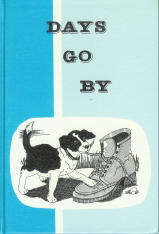
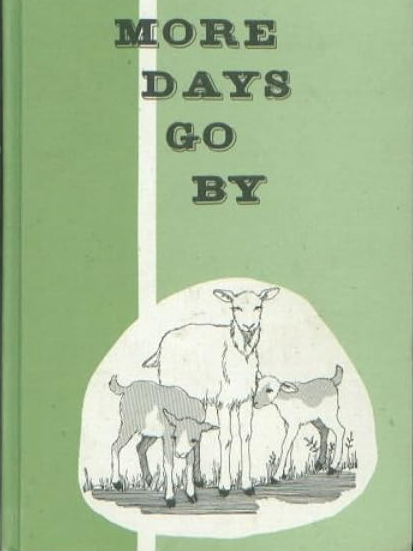
After that we moved onto the Pathway Reading Primers. I don’t remember how many books were in the series, I think we had six of them? but they were fun and easy to read.
Before I even finished going through all the primers I was off. When I learned to read I felt unstoppable. I read anything and everything I could.
It feels a little bit like I am learning to read again. I never stopped loving books, but I stopped prioritizing them. I went from needing them like I need food and water, to treating them like a luxury, something that I could enjoy if I got all of my work done.
I miss reading like that, like it’s the air I breathe, blocking out the world and letting time pass by without alarms or schedules. I know I cannot live like that all the time, but I am trying to shift my time off to actually being time when I am off, not thinking about work or budgets, just being and living.
Living in lower Michigan I have always been familiar with the Kellogg brand. Though I am not a big cereal person, I have consumed many of their products.
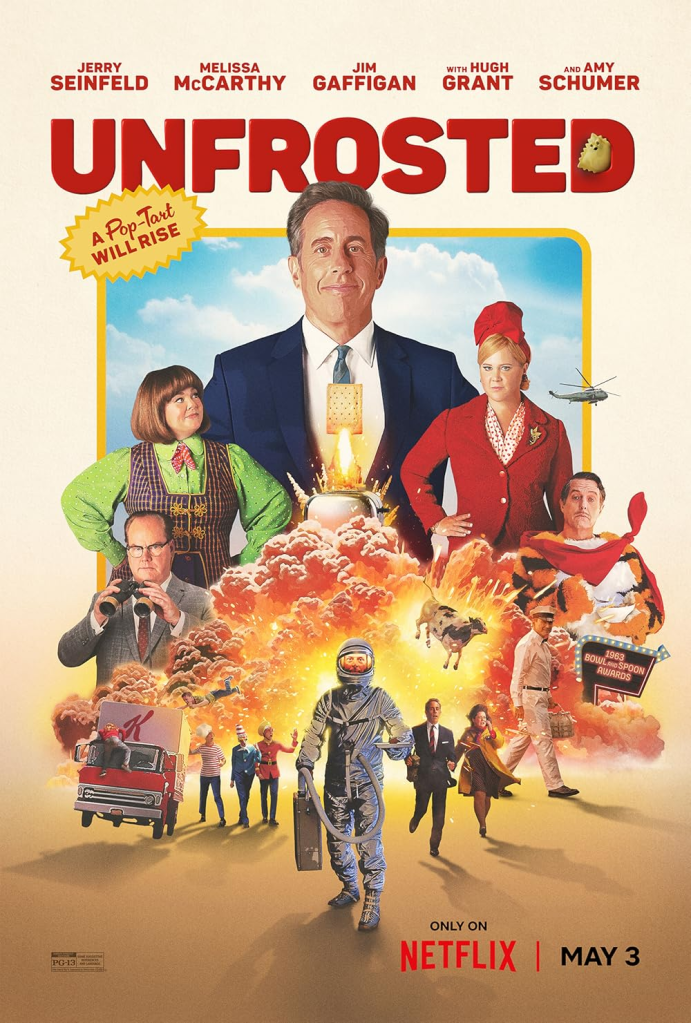
Last year a comedy movie based on the story of Kellogg’s development of the Pop-Tart was released. As a Certified Tourism Ambassador for Calhoun County, I was heavily encouraged by the people in my network, especially those who hailed from Battle Creek, to watch the movie. I didn’t get around to watching it right away, obviously, but I did find it fun and enjoyable.
One of the things that I liked about it was that it was clearly intended to be fun. It was not a serious movie by any means, and that made it far more enjoyable than I had expected it to be. I did no research about this movie before sitting down to watch it and was expecting more of a docudrama.
What this movie actually is: a surreal comedy with only the slightest bit of fact thrown in. It was a fun and engaging movie. While I don’t think it will ever be one of my regular rewatches, I think I would watch it again if I had someone to watch it with.
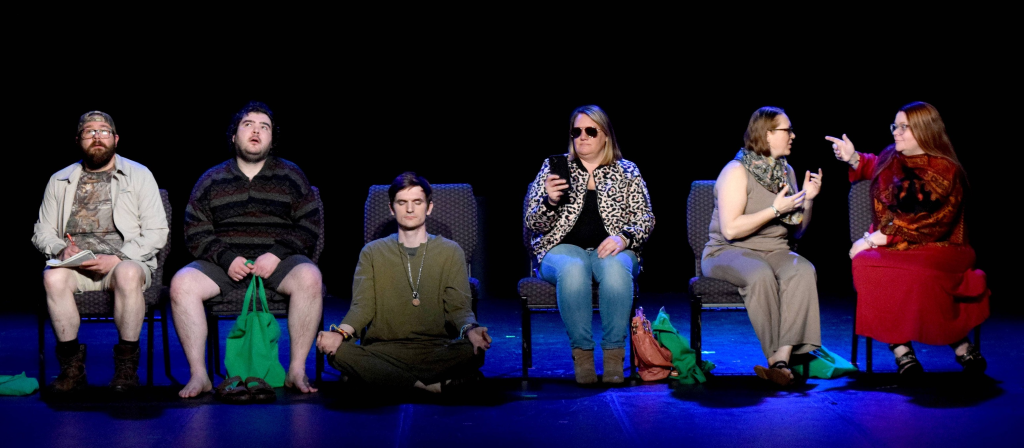
“In the overwhelming quiet of the woods, six runaways from city life embark on a silent retreat. As these strangers confront internal demons both profound and absurd, their vows of silence collide with the achingly human need to connect.”
This show was fun and interesting to watch. There were several long segments where none of the actors were speaking, using exclusively non-verbal communication and miming. Most of the talking was done by a seventh actor, who never appeared onstage, acting as the retreat leader.
It was really cool to see how the actors told the story, giving background on each of their characters and drawing you into their world with almost no words.
While the experience overall was enjoyable, the story itself was a little unsatisfying.
My mother turned to me after the show and said, “So, what was the point?”
Which I thought was an excellent point.
Every story should have a point. Every book or poem that you read, every movie or TV show that you watch, and every story that you tell your coworker–all of these stories are being told for a reason. They are all teaching you something about the world and the people in it. If there is no point, then it is not a story; it is a narrative. Just a sequence of events.
This play felt like there was supposed to be a point, but it was a little vague. The verbally stated point from the retreat leader is that “You are not alone.” But the rest of the play did not seem to focus on that point. There were a few ideas that we came up with for what “the point” might have been, but none of them were particularly strong.
It was still a great show, and still well worth watching just from a technical standpoint.
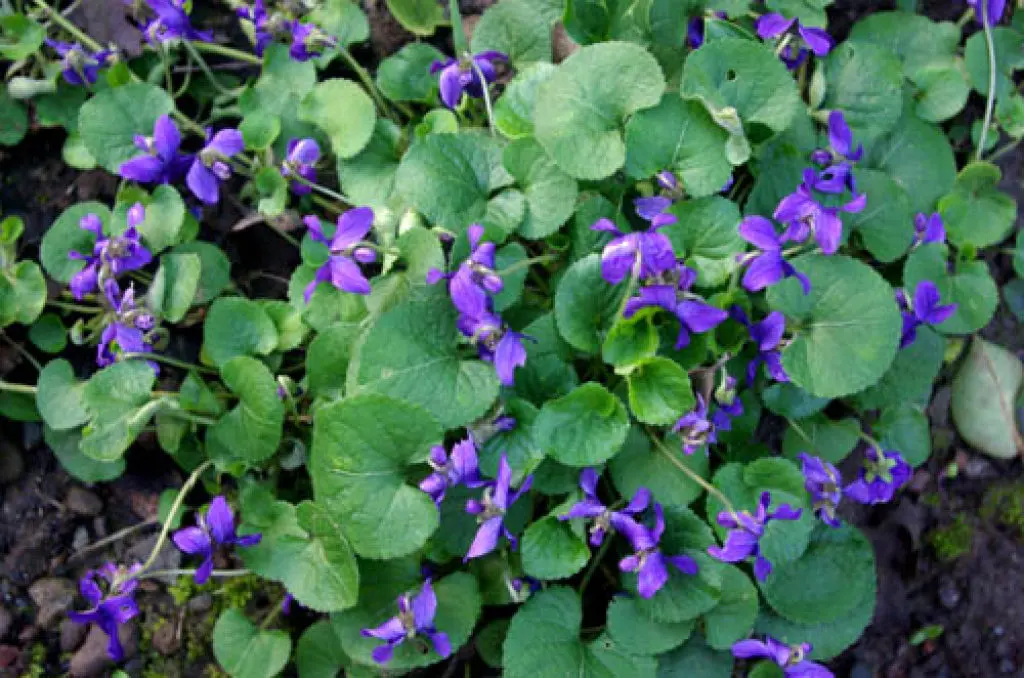
Wild violets are these tiny purple flowers, and in our yard they are one of the first flowers to pop up in the spring.
Wild violets can be white, but the majority of the ones that grow in our town are this vibrant bluish-purple color. They are tiny pretty little flowers, and they’re delicious too!
Both the flowers and leaves are edible. It is important to properly identify any plant before eating it, the leaves of the celandine plant look very similar to wild violet leaves but are toxic to humans. Additionally, don’t eat plants from roadsides or anywhere that you are not sure is clear of pesticides and herbicides, and always wash anything you are going to eat by rinsing it in clean water.
I like to add the leaves to salads or to grilled cheese sandwiches; they are a leafy green after all.
The blossoms I use to make a wild violet simple syrup.
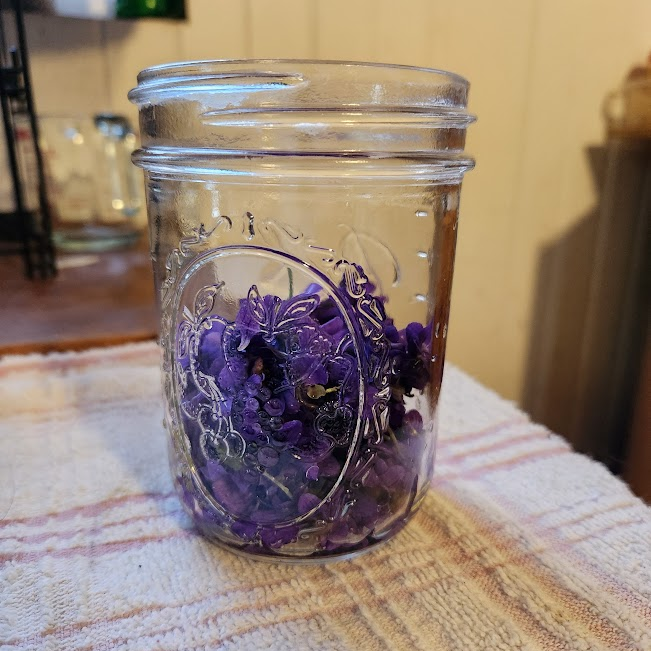
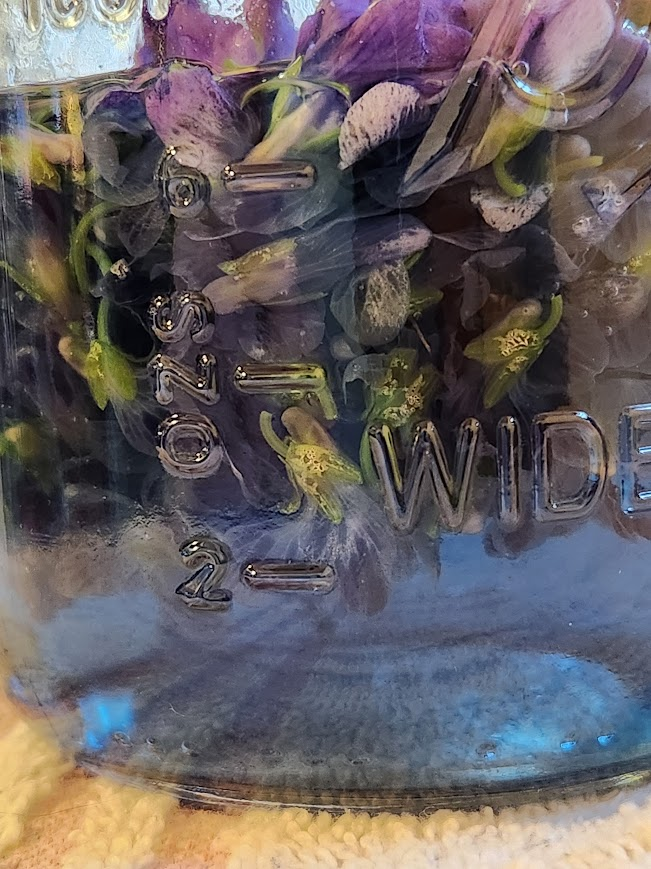
The first step involves gathering your flowers and removing them from their stems. Here I have about 1 cup of flowers.
Then, you want to add boiling water to your flowers; you want a ratio of about 1:1, so I used 1 cup of boiling water.
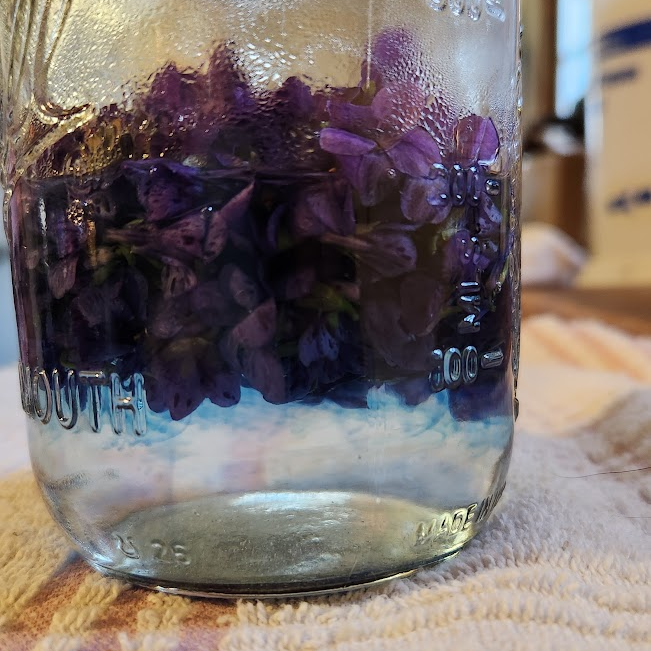
As you can see from the photo, the flowers immediately start to release their colour, which is very cool to watch.
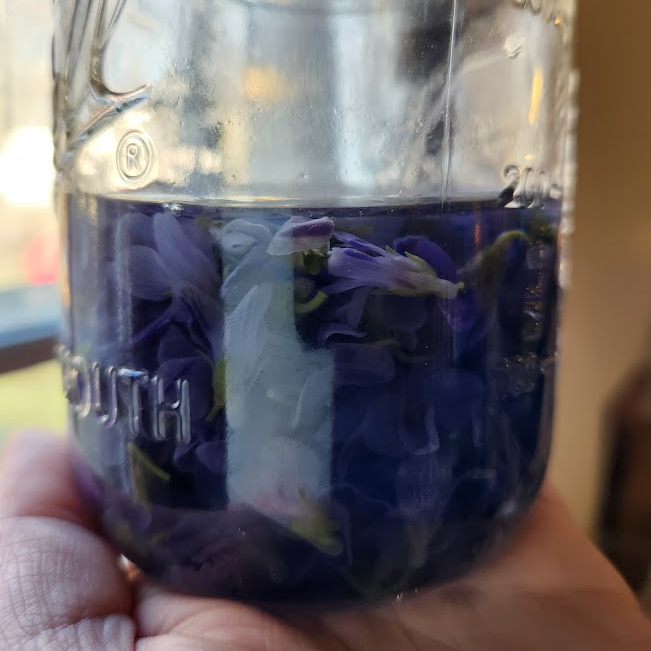
After just 10 minutes, you could see how much colour had leached out of the petals.
Leave your concoction for at least 24 hours to allow the flavours to be extracted. I left these flowers sitting for about 48 hours.
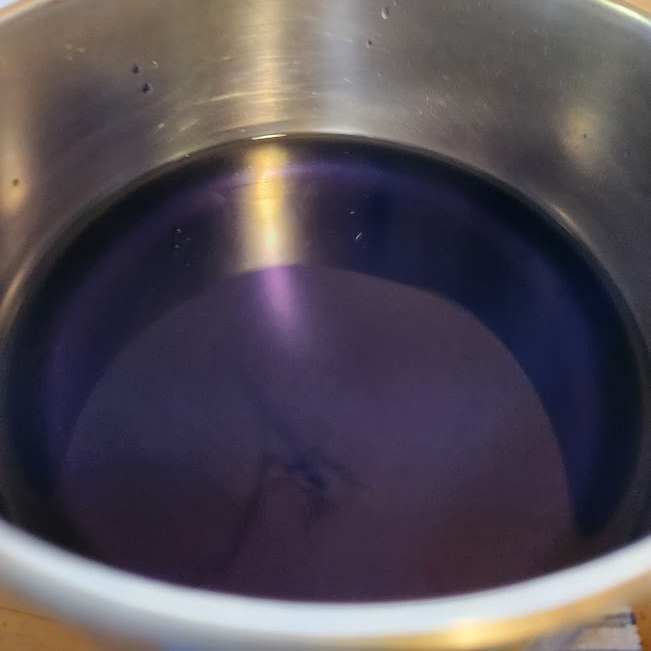
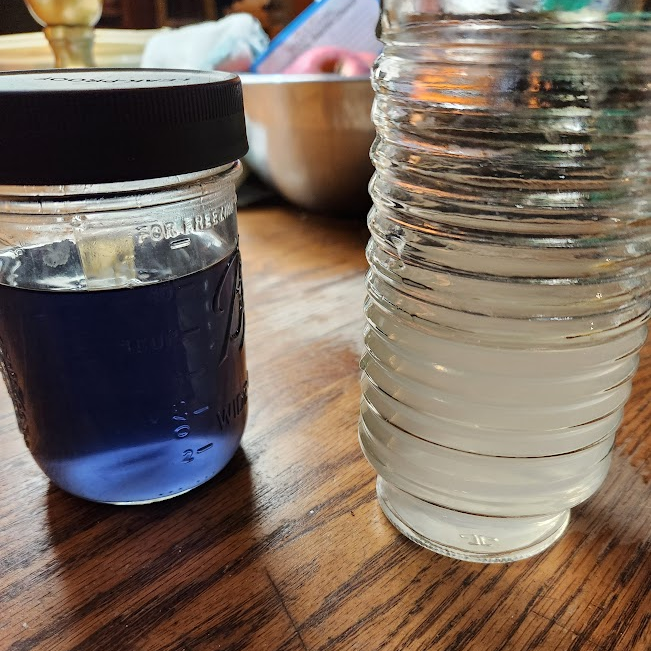
You can see now what a dark indigo colour the water is. At this point it just tasted kind of perfumy but not very strong.
Strain your liquid into a pot or pan; I used a clean rag to squeeze the flowers and then disposed of them in my compost heap.
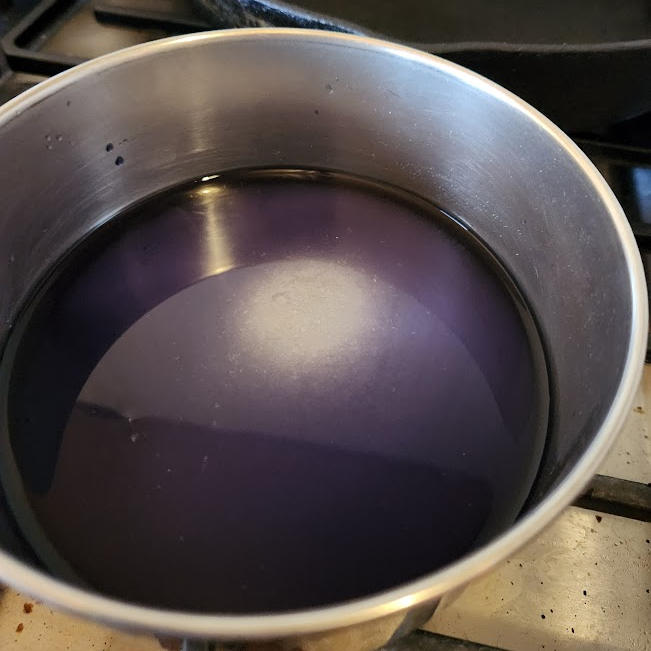
Now you can make your simple syrup, which is basically just equal parts sugar and water. I added 1 cup of granulated sugar to the violet water and brought it to a boil, stirring constantly until the sugar was completely dissolved.
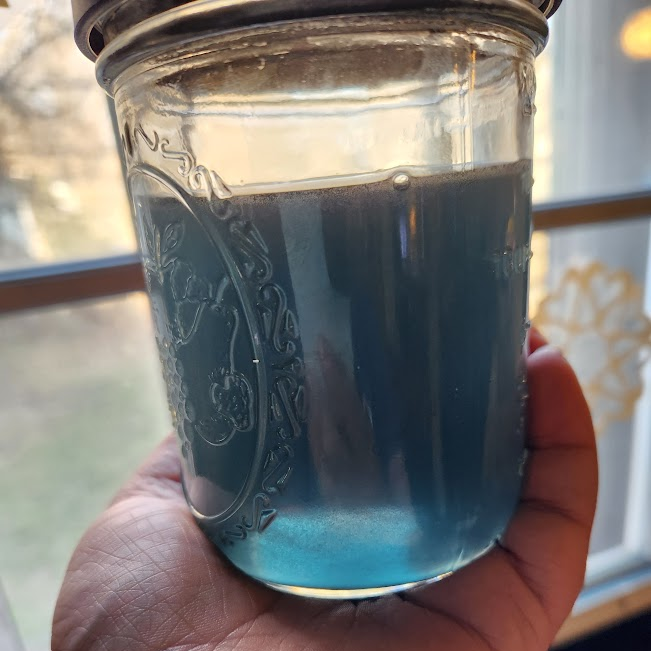
When it was done, I put it back into the (freshly washed) jar and was delighted to find that it had completely changed colour. It had gone from a deep indigo to a lighter, brighter teal.
I put it in the fridge to cool and didn’t go back to it for a couple of days.
When I returned, it had changed again and was more of a navy blue.
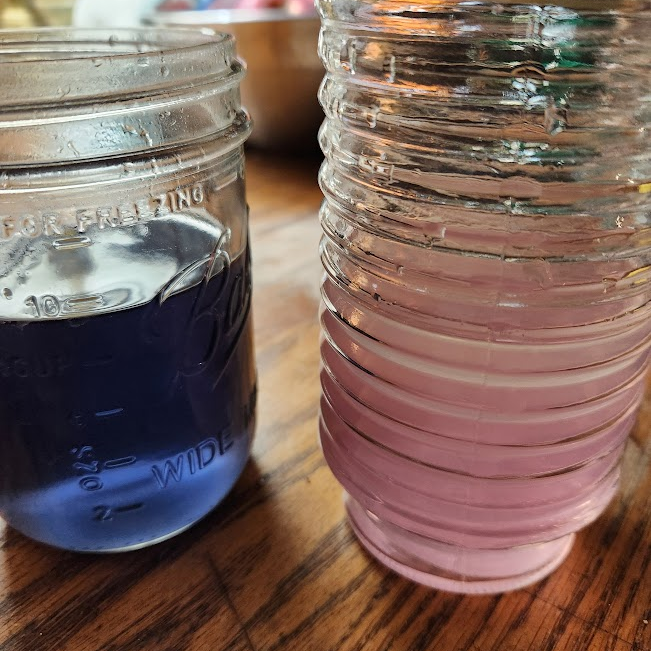
I mixed together some water and lemon juice, then added my simple syrup.
The acidity of the lemon juice turns your wild violet simple syrup pink! I mixed together some more and made an actual batch of lemonade, which was very nice; it had a light and very nondescript floral note to it, but otherwise just tasted like lemons.
I am looking forward to using this for more stuff; last year I used it to make wild violet lemon popsicles, and I used it in tea a lot.
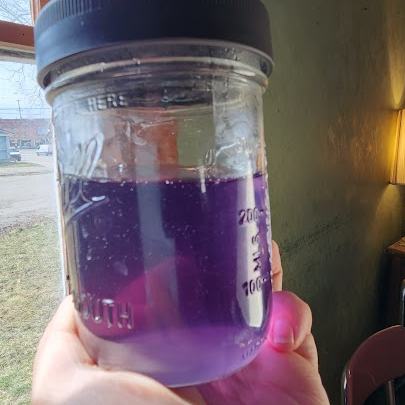
After about a week in the fridge, the syrup has turned to a nice light purple; you could even call it violet…
This is a fun experiment to do with your kids if you are trying to teach them about acids vs. bases and pH levels. The violets contain anthocyanin pigments, which are water soluble and change colour depending on the pH of their environment. If you add acid, like our lemon juice above, you will get a pink colour, but if you add a base like baking soda, it will turn a bluish-green.
The reason our syrup changed to teal before is that the boiling process had caused some of the carbonic acid in the water to decompose into carbon dioxide gas and escape. This meant that the water was now more alkaline than it had been before.
As the syrup sat and cooled, it absorbed carbon dioxide from the air and converted it into carbonic acid, lowering the pH from neutral back down to slightly acidic.
As my brother concludes his journey through WWI and enters WWII, I decided that it was past time he was introduced to the delightful heist film that is Kelly’s Heroes (1970).
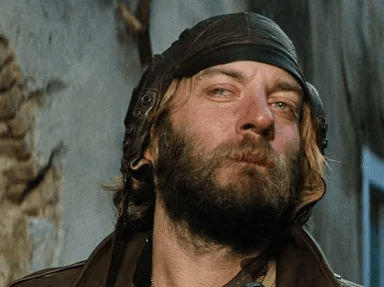
The first time I saw this film, I was probably around seven or eight years old. My favourite character was Oddball, which holds true to this day. Donald Sutherland embodied the wacky but chill Sargent in a way that no one else could.
The movie had a real all-star cast with some great actors sharing the screen; among them were Clint Eastwood, Telly Savalas, Gavin MacLeod, Carroll O’Connor, and Dan Rickles.
The film was based very loosely on a true story.
The event was credited as being the “Greatest Robbery on Record” by Guinness World Records from 1956 to 2000. The entry stated, “The greatest robbery on record was of the German National Gold Reserves in Bavaria by a combine of U.S. military personnel and German civilians in 1945”.
While it had long been suspected that the US and German governments had been involved in covering up the robbery, this wasn’t confirmed and made public knowledge until 1984, fourteen years after the film was released. This was as a result of the investigative work of British researcher Ian Sayer, who published his book Nazi Gold — The Sensational Story of the World’s Greatest Robbery — and the Greatest Criminal Cover-Up, which he spent nine years working on.
Kelly’s Heroes may be a romanticization of the robbery, but it is a fun and enjoyable movie with a loveable cast of characters.
Right now, my brother is going through WWI in his humanities class, next they’ll be spending time on WWII.
While this is not necessarily my preferred era to study, I do recognise the importance of the wars in our history and their continuing effect on society.
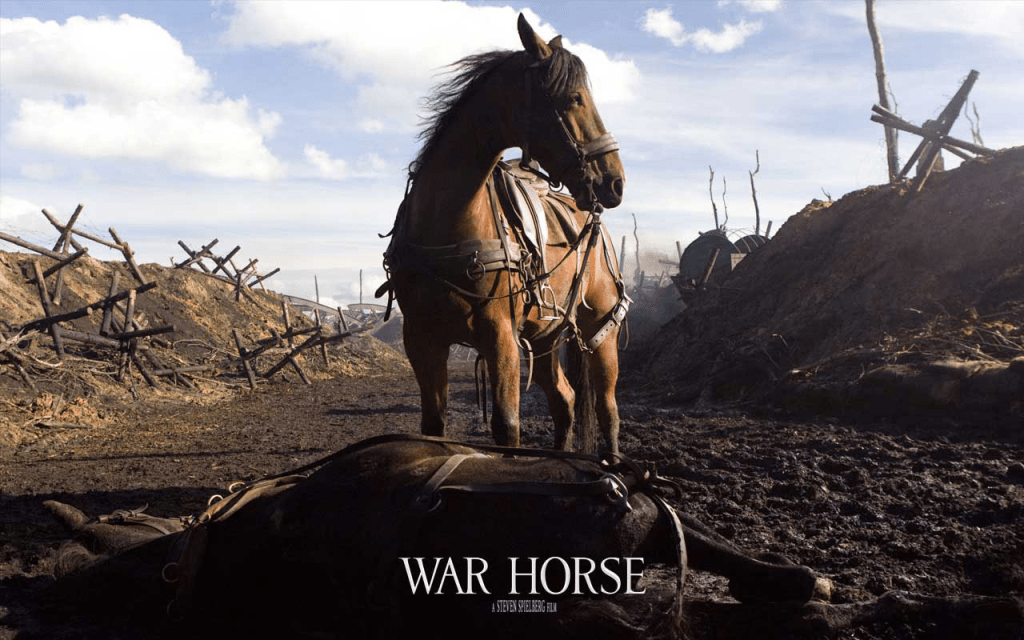
For his homework he was assigned to watch War Horse (2011). I had never seen this film before either, I mostly avoid movies about horses and dogs because they usually die.
Spoilers: To my surprise, the titular horse does not die. I still cried.
This movie has a good reputation and it turns out that it has earned it. It does a wonderful job of telling some very dark and awful stories while highlighting the kindness, love, and humanity that exists in our world.
I tried making Korean Corn Cheese several months ago. It was nice, but I found it a little too sweet for my taste. It reminded me of creamed corn with cheese, and was fine, but not something I would eat regularly.
It did, however, lead me down a very interesting path last night. I started making supper with no plan or thoughts other than “this chicken needs to be cooked before it spoils.”
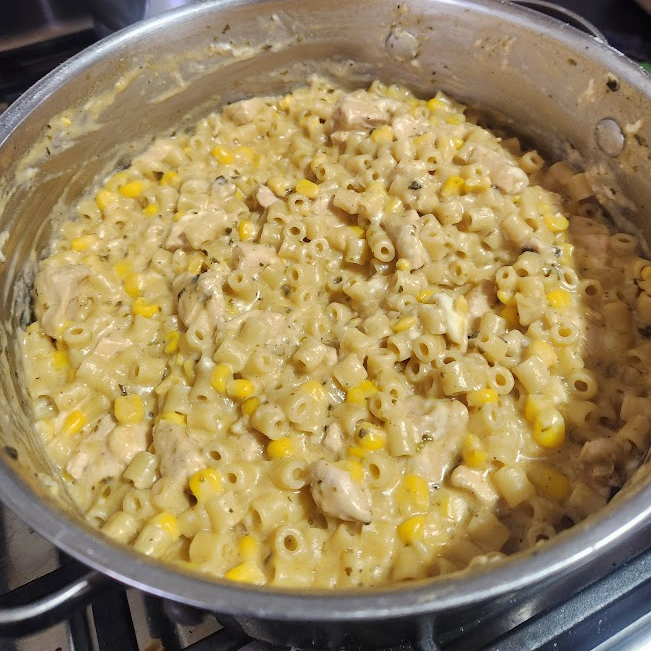
With a burst of inspiration as I stared at the bags of corn in the freezer and some creativity, I created what I am calling Korean Corn Cheese Pasta.
It doesn’t taste like Korean Corn Cheese, so I don’t know if it’s the best name, but I really enjoyed eating it so I wanted to write down what I did before I forget.
The amounts are a bit of a guess, I cook more with my soul than with measuring spoons.
Ingredients
2 chopped Chicken Breasts
5-6 cups Water
1/2 Tbsp Chicken Base (I use a brand called “Better Than Bouillon”)
1 can Coconut Milk
2 Tbsp Soy Sauce
1 Tbsp Gochujang
1/2 Tbsp Minced Onion
1 tsp Minced Garlic (Could have used more)
1/2 tsp Black Pepper
1/2 tsp Paprika
1/4 tsp Sage
1/4 tsp Thyme
1 tsp Sesame Seeds (Again, could have used more)
1 Tbsp Flaked Dried Seaweed
12 oz bag Frozen Corn
1 box Ditalini
1 Tbsp Vegetable Oil (Any oil would have been fine, this was what I had on hand. Coconut oil would be really good if you wanted to enhance that flavour.)
1 1/2 Tbsp All Purpose Flour
2 cups Mozzarella Cheese
What I did
I started by putting the chicken in a pot with the water and chicken base over medium heat. Cook until the chicken is starting to look white on the outside but is still raw in the middle.
Add the coconut milk, soy sauce, and all the spices. Bring this to a slow boil, stirring occasionally.
Add the seaweed and corn. If you use frozen corn this will cool your water back down a little bit, you’ll need to give it a few minutes to come back up to a boil.
Add your pasta and cook for about 5 minutes, stirring occasionally.
Add oil and flour and continue cooking until pasta is desired doneness.
Turn off heat and stir in cheese until melted.
Serve and enjoy!
My thoughts and notes
You can cook the meat beforehand and that would be absolutely fine. I think this would also be really good made with ground or smoked sausage.
Don’t let the gochujang scare you, this dish is not hot.
You can leave out the seaweed and/or sesame seeds if you want. I added the seaweed to give it some umami, mushrooms would also be good for this. The sesame seeds I hoped would give it a little nuttiness, but they got a little lost, I will try adding more of them next time.
I liked the ditalini, but my resident food critic thought it would be better with shells. I think that any pasta you want to use is fine.
I am not sure how I feel about thickening it with oil and flour, I’m not sure that it was necessary. The main reason that I did it was because of my brother (the aforementioned critic). He has some sensory issues and hates things that are soupy so I thickened it just in case. I think next time I will try using a corn starch slurry instead, but if you don’t mind a thinner sauce you can skip that step entirely and I think it would be fine.
Conclusions
I ate two bowls. I probably shouldn’t have, but it was so good I couldn’t help myself. I ate it again for breakfast this morning too.
Even the boy liked it, he wants me to make it again. Since he refuses to eat half of the dishes I make I call this a huge win.
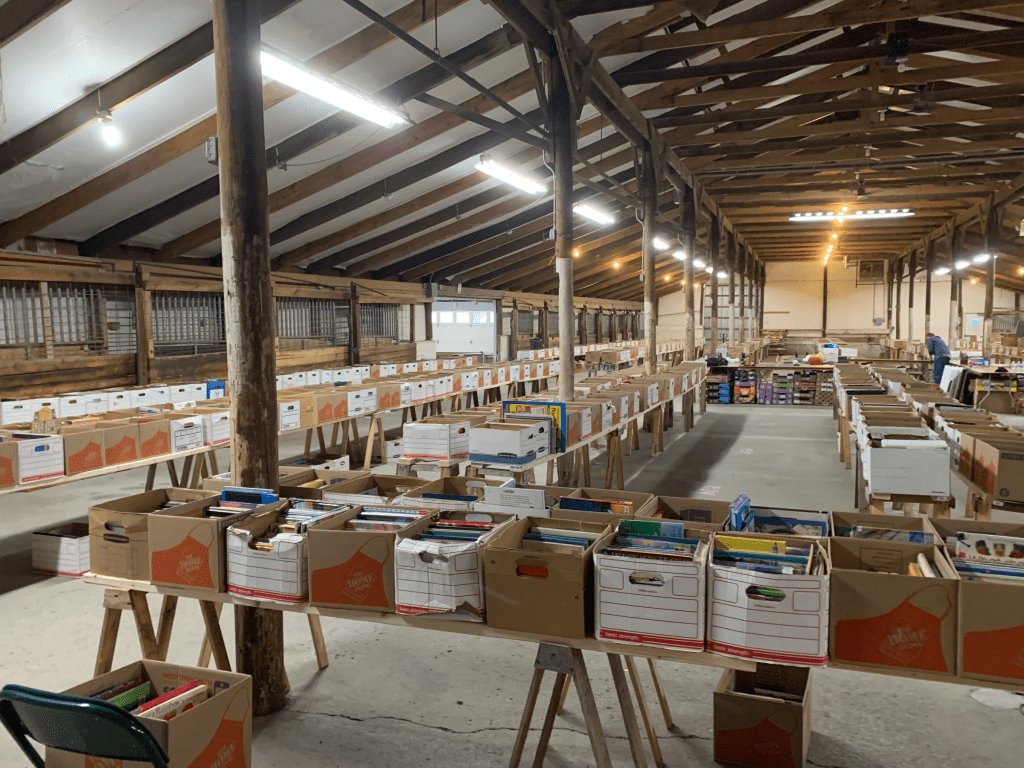
This week is the JLC’s first huge book sale of the year. (The “huge book sale” is their own phrasing; it’s on most of the signs in the parking lot.)
It is held in one of the buildings at the Washtenaw Farm Council Grounds in Ann Arbor. As you can see from the photo above, they have thousands of used books. They had an incredible selection, though I managed to restrain myself and only walked away with six books, two of which were gifts.
If you live in the area, I highly recommend going to this sale. I spent three hours there and didn’t even look at a quarter of the books.
They are having two more sales this year, one in August and one in October. I hope to make it back out to at least one of them.
If you are interested, here is the link to their webpage:
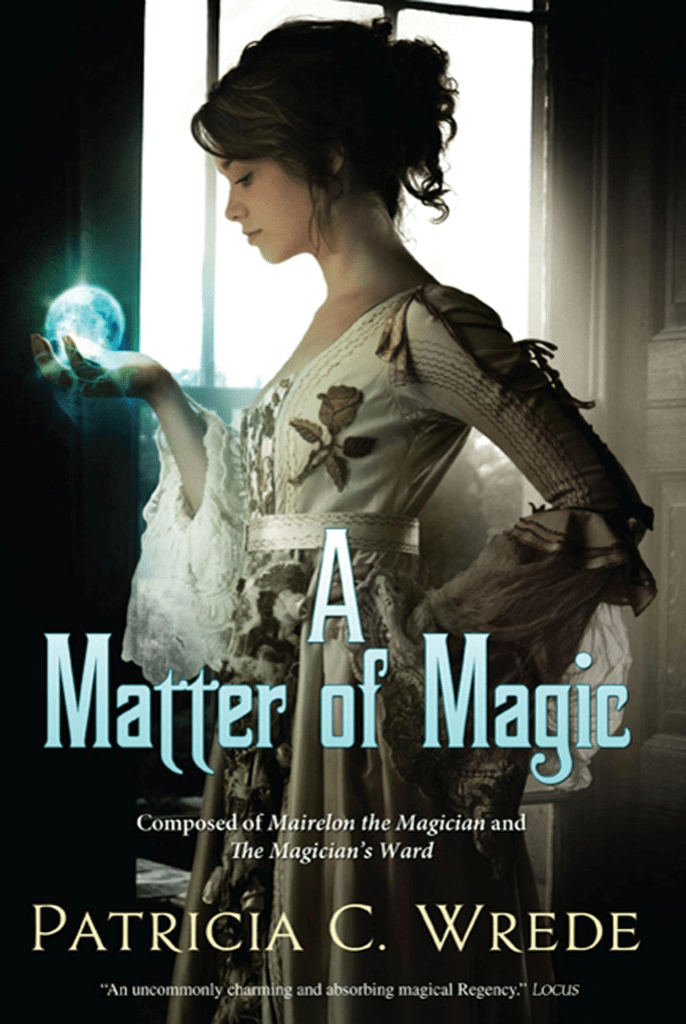
I know, I know, another Patricia C. Wrede book already.
This was the first book that I read by her, and I adored it. Technically, it is two books in one volume, a series that is composed of “Mairelon the Magician” and its sequel “The Magician’s Ward.”
It is about a girl named Kim who is living on the streets of Victorian London disguised as a boy. A man hires her to break into the wagon of a travelling magic act, which goes awry when she discovers that he is a real magician and not just a performer.
What follows is a whacky series of events including heists, enchantments, kidnapping, and a cult.


 Snug Slug Activities