Tag: animals

  • Skunks

    I saw four dead skunks in the same day last week. (Not the cheeriest way to start off, I know.) It got me wondering if skunks hibernated and if the sudden warm weather had woken them up. As I thought, I realized that I knew very little about skunks, which quickly sent me into a research spiral.
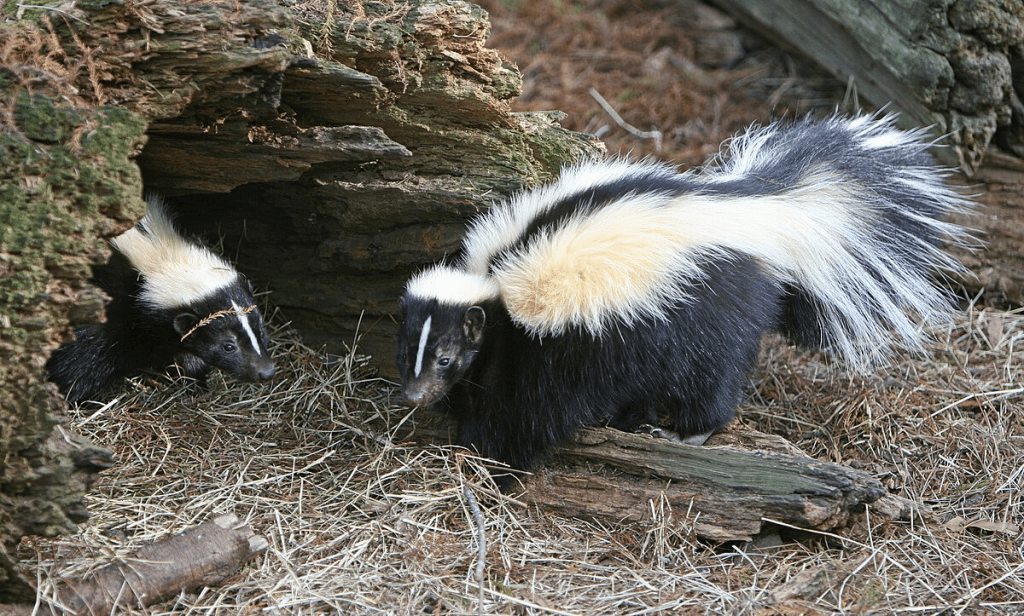
    Photo credit: Tom at birdphotos.com

    I learned that skunks are not true hibernators, but they do go through a “dormant” period where they den up and sleep while not eating very much. This is not considered hibernation because they do not enter torpor, meaning that there is no decrease in heart rate or temperature to conserve energy. To put it simply, hibernation is not sleep. In the winter, skunks sleep more.

    Skunks have great smell and hearing but absolutely terrible eyesight. This is why they are often the victims of vehicle accidents.

    While they are sometimes classified as carnivores skunks are actually omnivores; they’ll eat just about anything, including acting as scavengers. They have long claws that they use for digging, ripping apart rotting logs, and pinning down prey. They are one of the main predators for honeybees, scratching at the front of hives to lure out the guard bees so that they can eat them. They’ll eat the honey if they can get to it too, but they’re usually after the bees themselves.
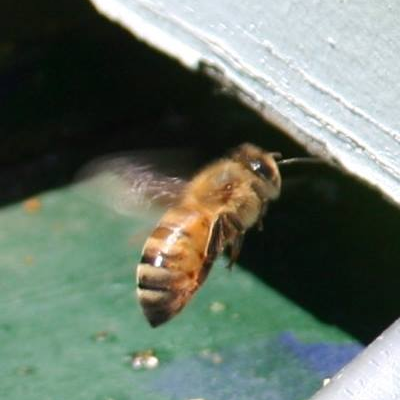
    Honeybee at hive entrance, 2015

    Of course, we cannot talk about skunks without talking about the smell. Skunks are famous for their main defensive weapon, a stinky spray produced in their anal glands. They can spray with great accuracy for a distance of up to 3 meters (almost 10 feet!). This spray is known for its strong and unpleasant odor that clings to whatever it lands on. This spray can even have a temporary blinding effect.

    Skunks are very mild-tempered and spray only in self-defense; it is usually their second choice after running away. If a skunk feels trapped or threatened, it can produce about five to six successive sprays. After this, it takes up to ten days to produce another supply. In urban areas, it is most often dogs who get sprayed by skunks. If your dog gets sprayed, you can contact your local humane society for help neutralizing the stink.

    Skunks are a vital part of our ecosystem, yet they are often misunderstood and treated as pests. Like anything, we have to find ways to coexist.

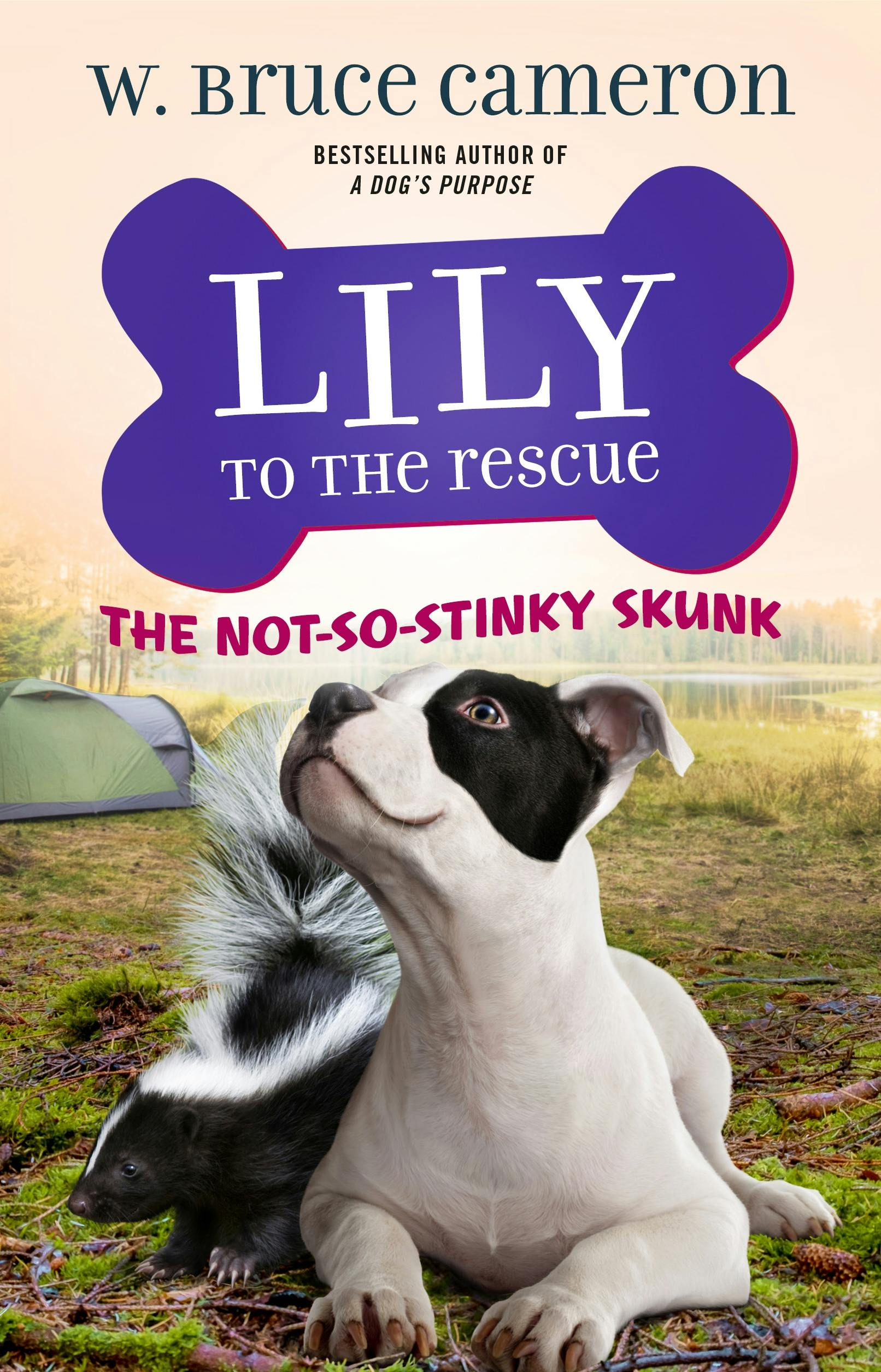
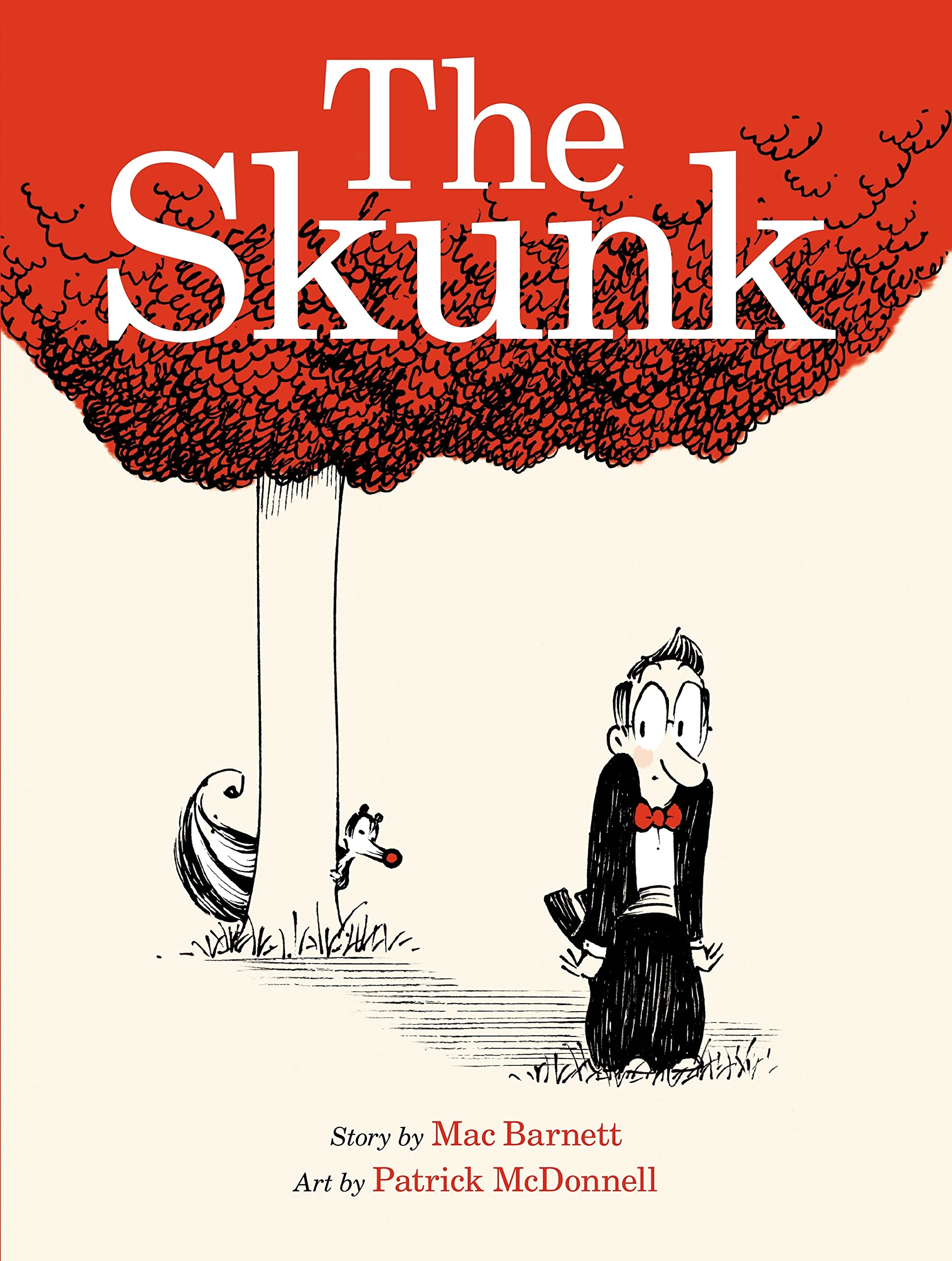
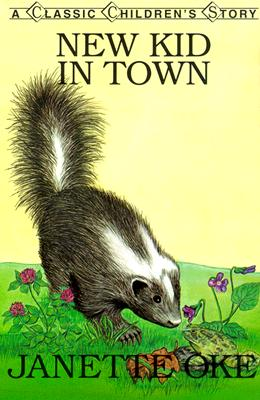
    If you are looking for some cute and fun skunk stories, check out the books below!
  • Bats

    Living in a 160-year-old house is no picnic. When we first moved in we were greeted by a dead bat on the windowsill; a grim omen of what we would experience for the past twenty years.

    At the start we had bats flying around inside the house on a weekly basis. It was such a big problem that, despite the fact they’re a protected species, we often had to resort to catching and killing them. This did little to stem the tide.

    A few fun facts we’ve learned about bats since moving into that house:

    One- On average, brown bats live about 7-8 years, but they can live up to 30 years in the wild. If you have bats living in your house, they’re not going anywhere anytime soon.

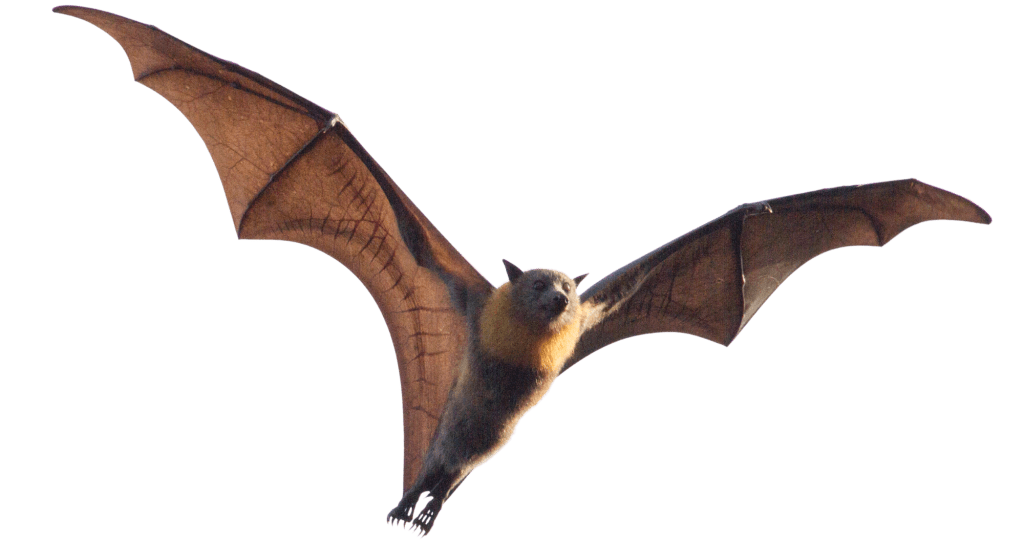
    Two- In the winter they enter a state called “torpor” which helps them conserve energy and survive colder temperatures. In torpor a bat’s heartrate will decrease from about 210 beats per minute to about 8 beats per minute. This allows their body to cool so that they are not expending energy trying to regulate their body temperature. Torpor may also extend to become hibernation, with some bats hibernating for up to 90 days at a time.

    Three- Bats are social creatures, roosting in colonies for a large portion of the year. In the winter, bats will roost together to hibernate. In the spring and summer, pregnant females will roost together in “maternity colonies” (basically a giant mom group) while the males and non-pregnant females roost alone or in smaller groups.

    Four- Little Brown Bats are an endangered species. While they have very few predators (a lot of other animals think they taste bad), they are very susceptible to a disease called “White-nose Syndrome”. This is a fungal infection that was first identified in 2006, and has since killed millions of bats, in some areas killing off as much as 90% of wild populations.

    In 2008 my youngest brother was born. This was a wonderful thing, but stressful. He was born premature by about three and a half months, so when he finally came home from the hospital he was hooked up to monitors, oxygen tanks, feeding tubes, and all sorts of fun things. Unfortunately, this meant that when bats suddenly appeared in the house, it was almost impossible to pick up the newborn and take him to safety while the bat was dealt with.

    Toby at 9 Months

    So what did we do? After a couple months of research and begging, our father finally said that we could get a cat. One cat, and only if it caught the bats.

    We gave him two kittens for his birthday.

    Our bat problem was finally in check. One of the kittens, named Algernon (Algie for short), was a fierce hunter. The other kitten, named Guess, was a delight, but sadly we lost her after only a couple of years.

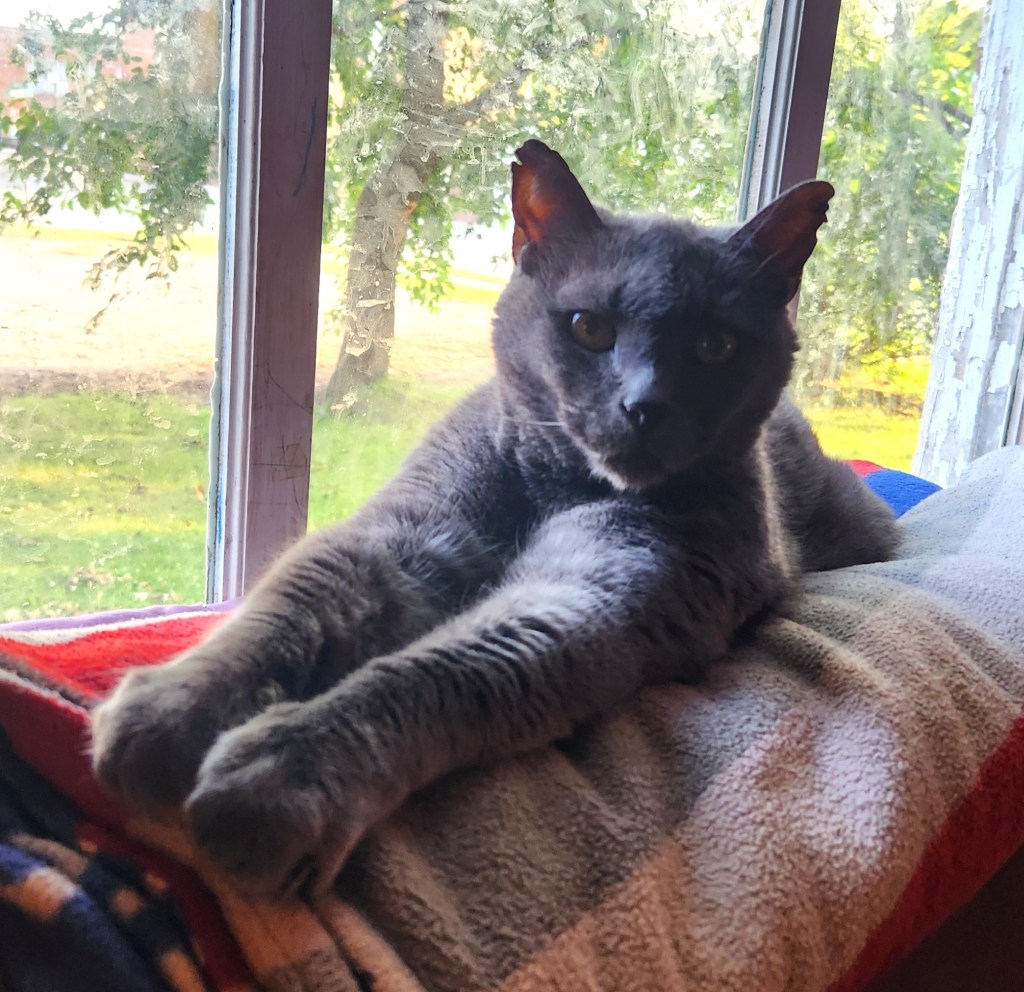
    Algie protected the house for years, and we would see bats maybe once or twice a year instead of once or twice a week. But all good things come to an end so they say. Not to worry, Algie is doing just fine, but at 17 years-old he would rather lounge around yelling at Hamlet than hunt anything.

    Not the most recent photo, but he had intentionally stretched his legs as far as he could to keep from having to share the window with Hamlet.

    So the bats are back. Not to the volume we had them before, but more than we want. I spent far too long the other night crawling around on the floor duct-taping the cracks under the baseboards to keep them out.

    The house isn’t in good enough condition for us to bother trying to fix it, much less pay for pest control. At this point we just want to keep it standing long enough to pay off the mortgage and find a new house. The goal is three years, but who knows what’ll happen.

    In the meantime, we fall asleep to the not very soothing chirps and squeaks of the North American Brown Bat.