Tag: books

  • March is Reading Month

    March is recognised as National Reading Month, and its purpose is pretty straightforward: to encourage people to read, particularly children.

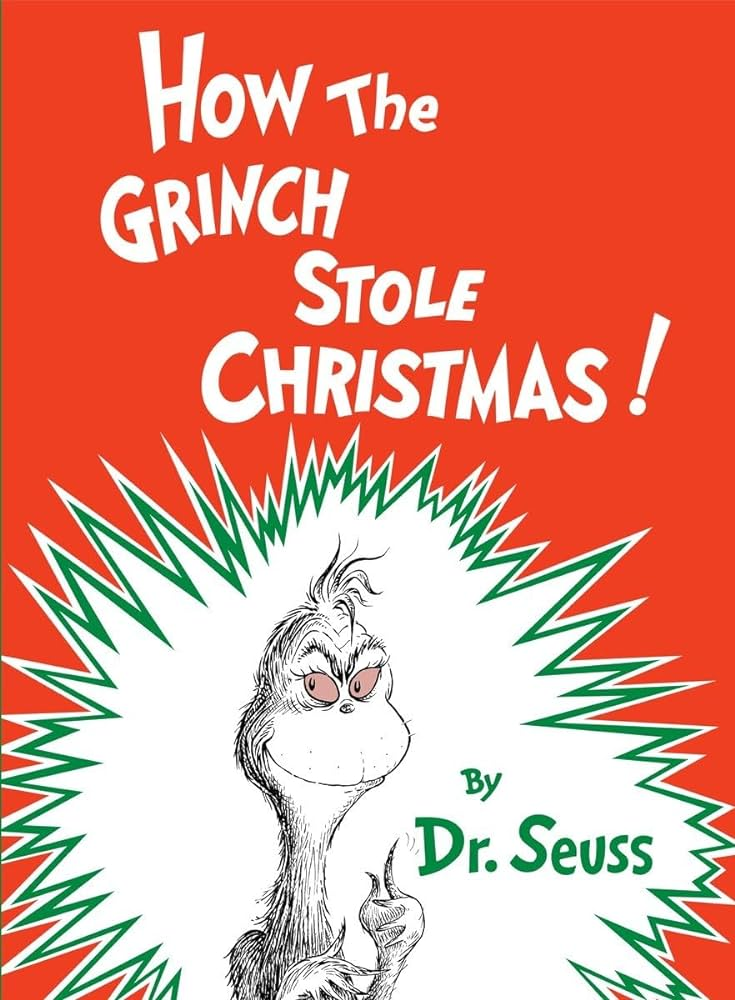
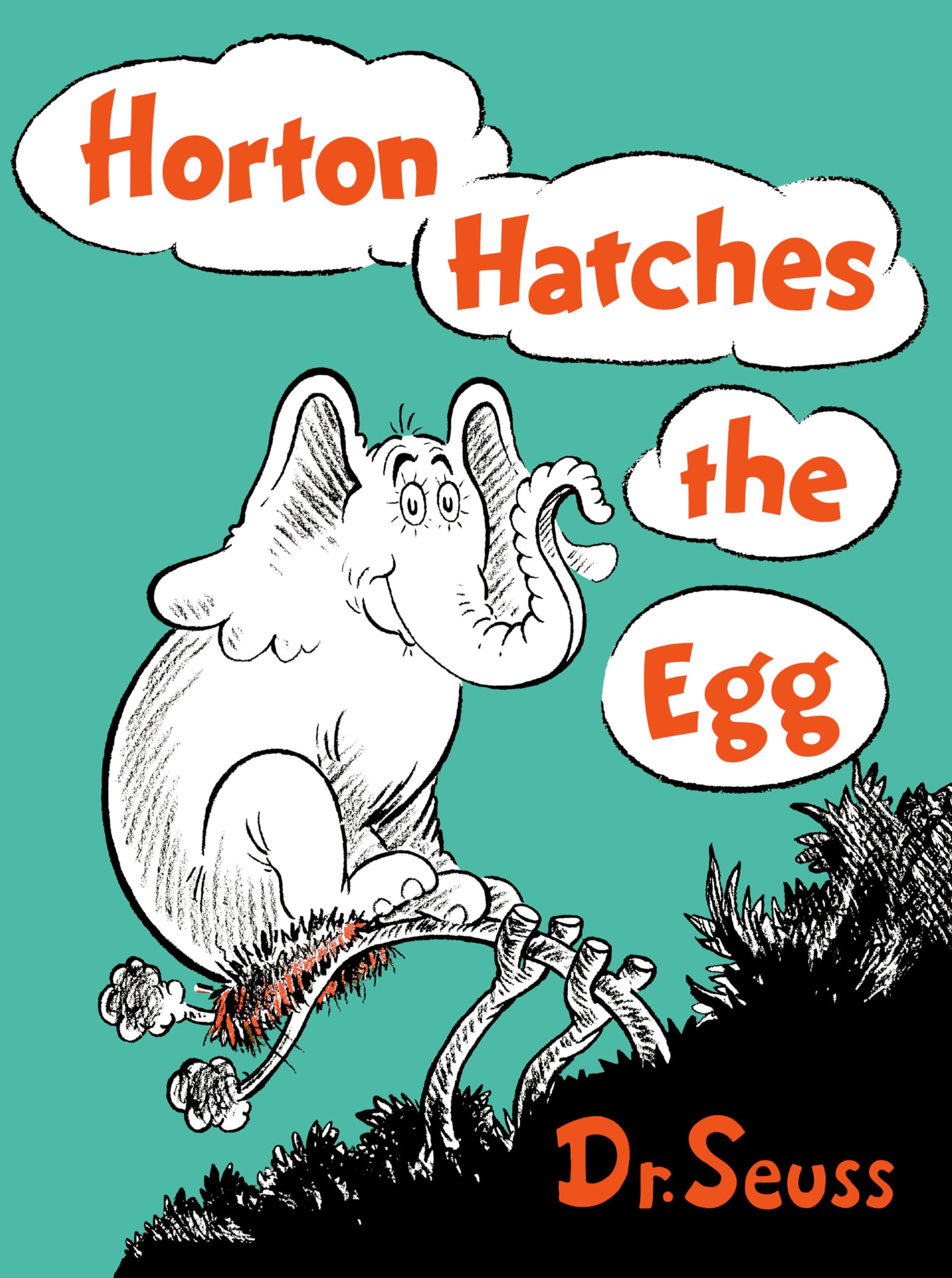
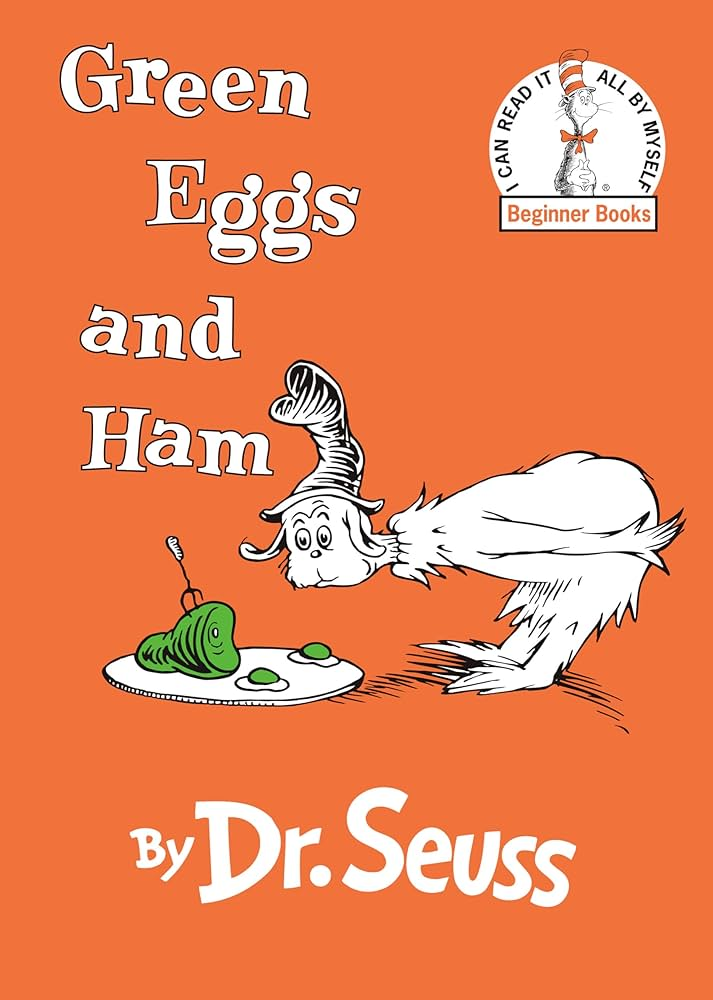
    March was chosen as reading month to coincide with the birthday of Dr. Seuss. While as a man he was slightly problematic, as a children’s book author he delighted children and parents all over the world. My personal favourites of his books include Horton Hatches the Egg, Green Eggs and Ham, and How The Grinch Stole Christmas. (As a bonus, my least favourites are The Cat in the Hat and Fox in Socks.)
    I am slightly embarrassed to admit that I had forgotten until a couple of days ago that this was reading month. I have, however, been trying to read more this month.

    If you remember my post about my reading goal for this year from January, I said that I wanted to keep track of my reading as a way to monitor my mental health. If I get to the end of the month and I haven’t finished a book, what is going on?

    In February I did not finish a book. I know exactly what was going on, but it was still kind of nice to have that measurement in place. I am by no means “over” my Dad’s death, and don’t expect to ever be, but both my parents instilled me with a love of reading.

    At the bottom of his obituary where people sometimes ask for donations to a specific organization in leu of flowers, my family put this: “In memory of Jack, you are invited to participate in one of his favorite activities: create something, do a crossword, read a book, watch a movie, sneak some junk food when you think no one’s watching, laugh, and hug your children.”

    My goal for this month was to try and remember that I am still alive and take the time to stop and enjoy things.

    I know this post probably took a turn from where you thought it was going to go, but I promise the next few are going to be cheerier.
  • Skunks

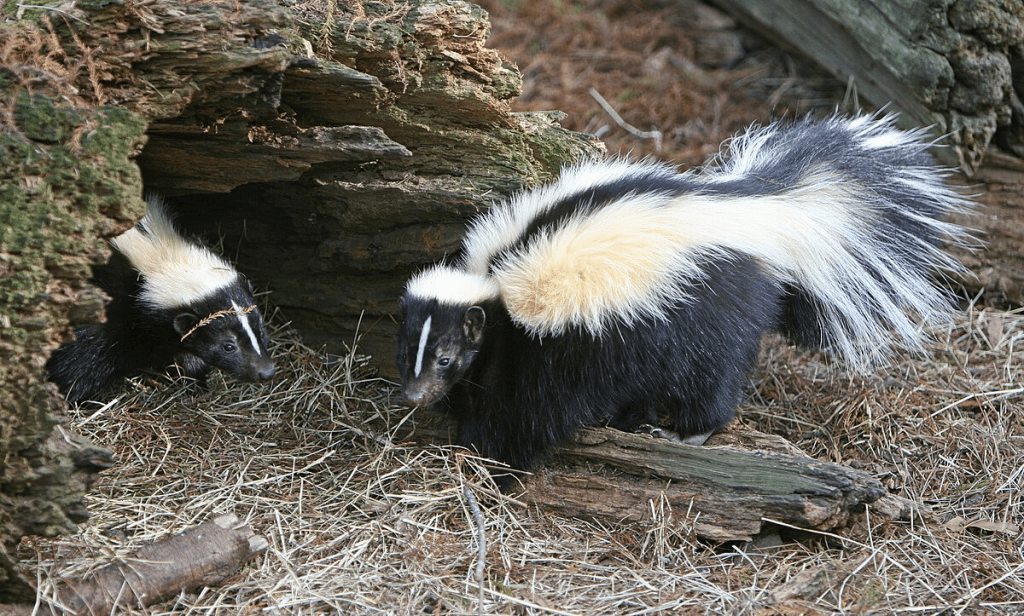
    I saw four dead skunks in the same day last week. (Not the cheeriest way to start off, I know.) It got me wondering if skunks hibernated and if the sudden warm weather had woken them up. As I thought, I realized that I knew very little about skunks, which quickly sent me into a research spiral.

    Photo credit: Tom at birdphotos.com

    I learned that skunks are not true hibernators, but they do go through a “dormant” period where they den up and sleep while not eating very much. This is not considered hibernation because they do not enter torpor, meaning that there is no decrease in heart rate or temperature to conserve energy. To put it simply, hibernation is not sleep. In the winter, skunks sleep more.

    Skunks have great smell and hearing but absolutely terrible eyesight. This is why they are often the victims of vehicle accidents.

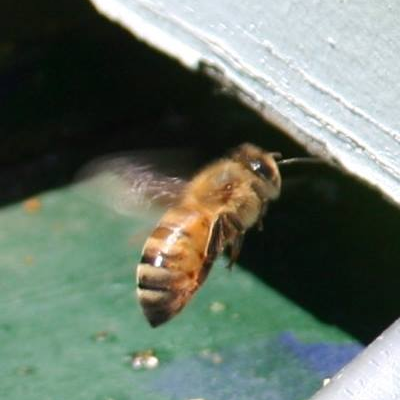
    While they are sometimes classified as carnivores skunks are actually omnivores; they’ll eat just about anything, including acting as scavengers. They have long claws that they use for digging, ripping apart rotting logs, and pinning down prey. They are one of the main predators for honeybees, scratching at the front of hives to lure out the guard bees so that they can eat them. They’ll eat the honey if they can get to it too, but they’re usually after the bees themselves.

    Honeybee at hive entrance, 2015

    Of course, we cannot talk about skunks without talking about the smell. Skunks are famous for their main defensive weapon, a stinky spray produced in their anal glands. They can spray with great accuracy for a distance of up to 3 meters (almost 10 feet!). This spray is known for its strong and unpleasant odor that clings to whatever it lands on. This spray can even have a temporary blinding effect.

    Skunks are very mild-tempered and spray only in self-defense; it is usually their second choice after running away. If a skunk feels trapped or threatened, it can produce about five to six successive sprays. After this, it takes up to ten days to produce another supply. In urban areas, it is most often dogs who get sprayed by skunks. If your dog gets sprayed, you can contact your local humane society for help neutralizing the stink.

    Skunks are a vital part of our ecosystem, yet they are often misunderstood and treated as pests. Like anything, we have to find ways to coexist.

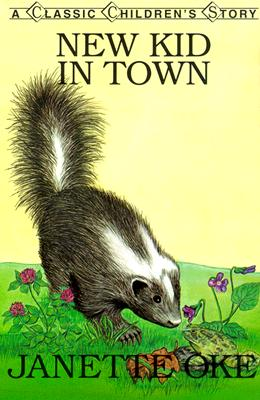
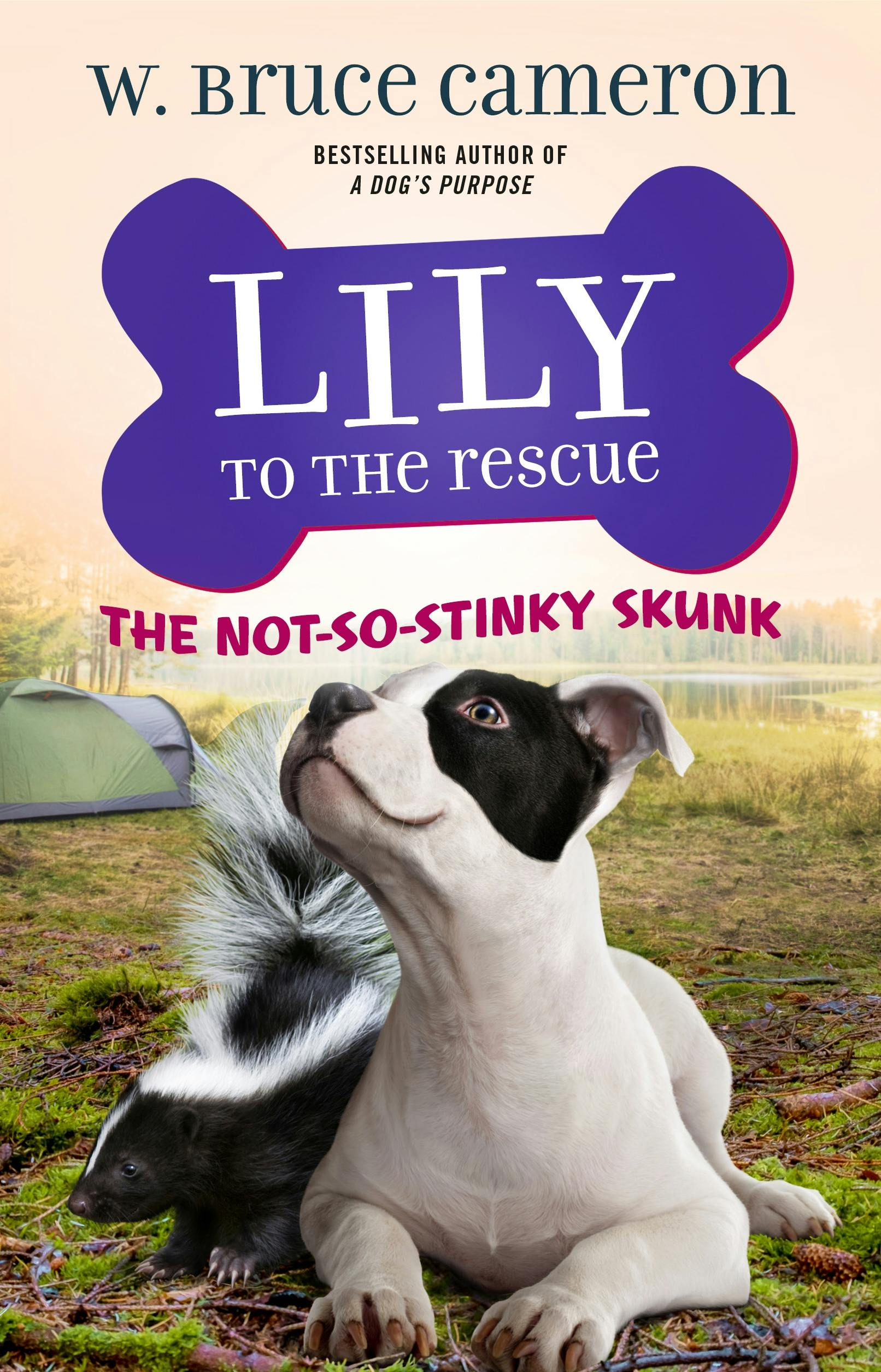
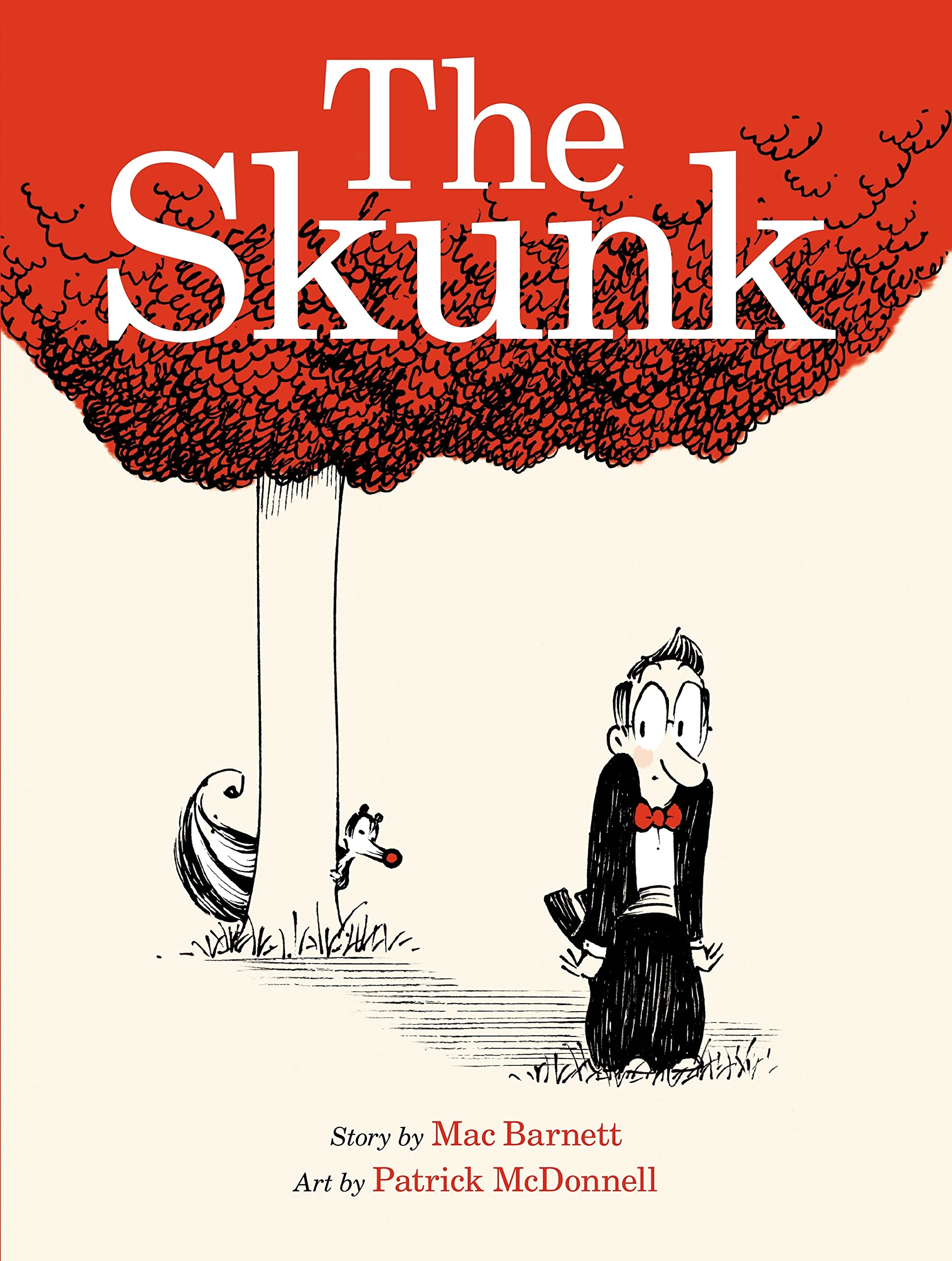
    If you are looking for some cute and fun skunk stories, check out the books below!